Latest Posts
View the latest posts in an easy-to-read list format, with filtering options.

View the latest posts in an easy-to-read list format, with filtering options.
Multi-part posts on a particular topic, grouped together in "series" pages.
Look through our blog archive by year / month, or in a massive title list.

10/21/2026 - I received this email from our ministry representative in Nepal today. Dear Respected Sir and pray... Read More
10/21/2026 - Ezekiel’s call as a watchman is described beginning in Ezekiel 3:18, 19, 18 When I say to th... Read More
10/20/2026 - Ezekiel 3:12-15 says, 12 Then the Spirit lifted me up, and I heard a great rumbling sound behind m... Read More
Read over 100 books written by Dr. Jones, available to read for free online. Several of the books have also been translated into different languages, and are also available to read for free. The only time you pay is when you purchase a physical version of a book.
View Full Book List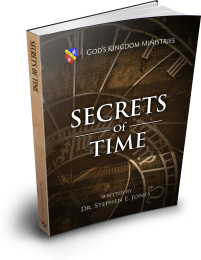
Read a variety of tracts that condense a topic into a short, single page format. These tracts can be read for free online, or physical copies can be purchased in bundles. If you are subscribed to the FFI Newsletter, you will receive new tracts when they are released.
View Full Tract ListAfter citing the examples of the flood and the rescue of Noah, Peter’s next example of divine judgment is Sodom and Gomorrah and the rescue of Lot. 2 Peter 2:6-9 says,
6 and if He condemned the cities of Sodom and Gomorrah to destruction by reducing them to ashes, having made them an example to those who would live ungodly lives thereafter; 7 and if He rescued righteous Lot, oppressed by sensual conduct of unprincipled men 8 (for by what he saw and heard that righteous man, while living among them, felt his righteous soul tormented day after day by their lawless deeds), 9 then the Lord knows how to rescue the godly from temptation, and to keep the unrighteous under punishment for the day of judgment,
The main point of this is to show that God protects the righteous in the midst of divine judgment. The account is found in Genesis 19. Peter's point is not merely historical. He is assuring believers that the false teachers troubling the church will not escape divine justice, and yet the righteous—those who reject the false or lawless teachers—will be spared.
Sodom and Gomorrah became the Old Testament's most famous example of divine judgment. Their destruction by fire and brimstone served as a perpetual warning.
The Greek word translated “example” (hypodeigma) means a pattern, warning, or object lesson. Peter's point is that God established these cities as a visible demonstration of the consequences of persistent wickedness.
Three times in verses 7–8 Peter calls Lot “righteous.” This surprises many readers, because Genesis records serious weaknesses in Lot's life. He chose the fertile plain near Sodom (Genesis 13:10–13), lived in a corrupt environment, and made several questionable decisions. Yet Peter reveals something Genesis only implies: Lot's heart remained troubled by the wickedness around him. This is an important reminder that righteousness is not sinless perfection.
Lot was flawed, yet he remained fundamentally aligned with God. Lot was not comfortable in Sodom. Though he lived there physically, he never truly belonged there spiritually. Though he chose to live in Sodom, he disagreed with the lawless society and felt “oppressed” by its lawlessness.
Lot's righteousness was demonstrated not by isolation from sinners but by his refusal to become comfortable with sin. There is an important lesson here. One sign of spiritual decline is becoming numb to evil. Lot remained spiritually sensitive enough to be troubled by what surrounded him. The righteous grieve over sin rather than celebrating it.
We might question, however, how the lawless environment affected his wife and daughters. While they were escaping, Lot’s wife turned to look with nostalgia on her city, and Lot’s daughters—perhaps thinking that the world had come to an end—brought forth illegitimate sons through incest. Their sin affected the character of the nations that came from them: Moab and Ammon. Even so, God spared their lives, probably for the sake of Lot himself.
Peter then draws his conclusion in verse 9: “The Lord knows how to rescue.” This is the main point of the entire section. Peter does not merely say God can rescue. He says God knows how. This implies divine wisdom. It is the same wisdom that says God knows how to reconcile the world to Himself. While many deny that God “knows how,” those who are faithful acknowledge God’s wisdom, along with His power and love.
The examples prove it. Noah was preserved through the flood. Lot was removed before fire fell. The righteous are never forgotten.
The Greek word translated “temptation” (peirasmos) can mean temptation, testing, or trial. The meaning of the word is broader than just personal temptation (or enticement). God knows how to preserve His people through times of testing and judgment of the unrighteous. Just as the angels are being reserved for judgment (v. 4), so the ungodly remain accountable before God.
Peter is not teaching that God ignores evil until the final judgment. Rather, judgment is already certain and awaiting its appointed day. Here too is where the principle of Cursed Time comes into prominence. We see many examples from Scripture and from history how God pronounces the curse of the law, sentencing certain men or nations—only to see Him grant them a grace period of 414 years (or multiples of it). I explained this principle thoroughly in Secrets of Time.
When judgment does not strike immediately, the sinners conclude that they got away with their crimes and that God did not really pronounce such a sentence at all. Hence, they usually fail to use that grace period to repent. So when the grace period ends, and judgment is executed, they view the judgment as a mere calamity brought about by their enemies, instead of connecting the calamity to the sin that put them under Cursed Time.
This becomes the foundation for everything Peter says about false teachers throughout the rest of the chapter.
Notice that Noah and Lot represent two different kinds of deliverance. Noah was preserved through the Flood. Lot was removed before the fire. Peter does not emphasize the method of deliverance but the certainty of God's care.
His concern is pastoral. Believers troubled by false teachers should not conclude that God has lost control. The lesson of 2 Peter 2:6–9 is that throughout history God has consistently done two things: (1) He eventually judges persistent wickedness, and (2) He faithfully preserves those who belong to Him. That principle was true for Noah, true for Lot, and Peter assures his readers that it remains true for the church as well.
In 2 Peter 2:10–14, Peter intensifies his description of the false teachers introduced in verses 1–3. Having shown that God judges the wicked and rescues the righteous (vv. 4–9), he now describes the character of those destined for judgment. The portrait is one of arrogance, sensuality, rebellion, and greed.
10 and especially those who indulge the flesh in its corrupt desires and despise authority…
In verse 10 we read that the false teachers are driven by fleshly desires. The phrase literally means “going after flesh in the lust of defilement.” Their doctrine serves their appetites. Throughout the chapter Peter repeatedly links false doctrine, sexual immorality, and greed. For Peter, theology and morality cannot be separated.
The word translated “authority” (kyriotēs) refers to lordship or dominion. At the most basic level, these men reject Christ's lordship. False teachers often want Christ as Savior but reject Him as Master or Lord. They want the blessings of salvation, but they do not want the inconvenience that comes with submitting to His authority by taking heed to His moral standard (the law).
2 Peter 2:11-14 continues,
Daring, self-willed, they do not tremble when they revile angelic majesties, 11 whereas angels who are greater in might and power do not bring a reviling judgment against them before the Lord. 12 But these, like unreasoning animals, born as creatures of instinct to be captured and killed, reviling where they have no knowledge, will in the destruction of those creatures also be destroyed, 13 suffering wrong as the wages of doing wrong. They count it a pleasure to revel in the daytime. They are stains and blemishes, reveling in their deceptions, as they carouse with you, 14 having eyes full of adultery that never cease from sin, enticing unstable souls, having a heart trained in greed, accursed children;
To refuse to submit to divine authority is to be “daring, self-willed.” Peter presents them as stubborn sons, subject to divine judgment according to the law Deuteronomy 21:18-21.
The word translated “self-willed” (authadēs) describes someone who is determined to please himself regardless of others. This is the opposite of humility.
This difficult phrase probably refers to glorious angelic beings. Peter's point is not that angels are infallible but that these men speak arrogantly about realities far beyond their understanding. They possess no reverence for the unseen realm. In Peter’s time, the Sadducees denied the very existence of angels (Acts 23:8). Even today, many believers know little about angels, and even if they believe in their existence, their lives do not reflect their belief.
In verse 11 Peter contrasts false teachers with holy angels. Though angels possess vastly greater power, they do not act with the same arrogant presumption. A parallel appears in Jude 9:
9 Michael the archangel... did not dare pronounce against him a railing judgment, but said, “The Lord rebuke you!”
The main lesson is humility. The false teachers claim authority they do not possess and demand obedience to them, even when they preach or practice lawlessness.

Dr. Stephen Jones has been writing blog posts since 2005 on a variety of topics from Bible Studies to World News, and he has been writing books since 1992. Dr. Jones' most important writings came after God brought him back into the full-time ministry in 1991. It is here that all his earlier years of searching the Scriptures began to come into clear focus. He combines a knowledge of the Old and New Testaments with a personal revelation of God that began and developed during the "wilderness" period of his life, which he often refers to as God's True Bible College... Read More
We are only able to do what we do because of your support. If you feel led to support this ministry, we deeply appreciate it