Latest Posts
View the latest posts in an easy-to-read list format, with filtering options.
View the latest posts in an easy-to-read list format, with filtering options.
Multi-part posts on a particular topic, grouped together in "series" pages.
Look through our blog archive by year / month, or in a massive title list.
10/07/2026 - Ezekiel is a book of judgment, restoration, and the glory of God. It explains why Jerusalem was be... Read More
10/06/2026 - Having exposed the political nature of the Little Horn’s religious beast empire, we can more... Read More
10/05/2026 - When the Israelites wanted flesh to eat, God gave them their desire but it made them sick. Psalm 1... Read More
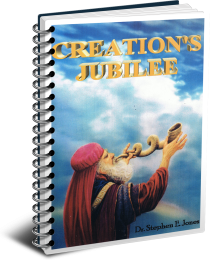
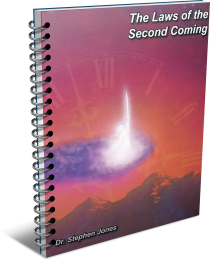
Read over 100 books written by Dr. Jones, available to read for free online. Several of the books have also been translated into different languages, and are also available to read for free. The only time you pay is when you purchase a physical version of a book.
View Full Book List
Read a variety of tracts that condense a topic into a short, single page format. These tracts can be read for free online, or physical copies can be purchased in bundles. If you are subscribed to the FFI Newsletter, you will receive new tracts when they are released.
View Full Tract ListFirst Thessalonians is generally regarded as the earliest of Paul's extant letters, written around A.D. 50–51 during his stay in Corinth on his second missionary journey. It provides a unique glimpse into the life of one of the first Christian congregations only a few months after its founding. Unlike Romans or Galatians, it is not primarily a theological treatise or a correction letter against heresy. Instead, it is a warm pastoral letter, filled with encouragement, thanksgiving, practical instruction, and hope.
Unlike Galatians, where Paul must defend the gospel itself, or Corinthians, where he corrects many abuses, Thessalonians is remarkably positive. Paul's affection for the church is evident throughout.
Paul first preached in Thessalonica during his second missionary journey (Acts 17:1–9). Thessalonica was the capital of the Roman province of Macedonia and one of the largest cities in Greece, with perhaps 50,000 to 100,000 inhabitants. Situated on the Via Egnatia, the great Roman highway connecting the Adriatic Sea with Byzantium, it was a thriving commercial center and an ideal location from which the gospel could spread.
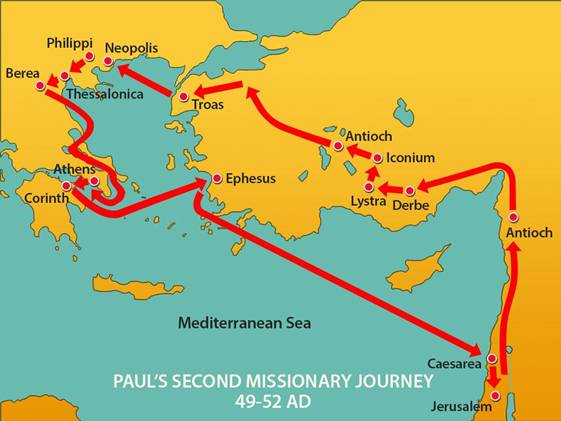
Paul, accompanied by Silas and later Timothy, preached in the synagogue for three Sabbaths. Acts 17:1-3 says,
1 Now when they had traveled through Amphipolis and Apollonia, they came to Thessalonica, where there was a synagogue of the Jews. 2 And according to Paul’s custom, he went to them, and for three Sabbaths reasoned with them from the Scriptures, 3 explaining and giving evidence that the Christ had to suffer and rise again from the dead, and saying, “This Jesus whom I am proclaiming to you is the Christ!”
Although some Jews believed, the majority of converts were apparently Gentiles, for Paul later reminds them that they had “turned to God from idols” (1 Thessalonians 1:9).
Opposition to Paul’s teaching soon arose. Certain Jewish leaders stirred up a mob, forcing Paul and Silas to leave the city by night for Berea (Acts 17:10). The Jews in Berea were more openminded and willing to consider the biblical evidence that Jesus was the Christ (Acts 17:11).
Yet Paul was deeply concerned about the new believers in Thessalonica, wondering whether persecution had shaken their faith. From Corinth he sent Timothy back to Thessalonica to strengthen and encourage them (1 Thess. 3:1-5). Timothy returned with an excellent report of their steadfastness, prompting Paul to write this letter.
When Paul had presented Jesus to the synagogue in Thessalonica, he appealed to a Jewish audience familiar with the Old Testament. His teaching no doubt resembled the book of Hebrews, showing how the types and shadows prophesied of Christ. This, of course, was the meat (or “solid food,” NASB) of the word, which Paul mentioned in Hebrews 5:12-14.
But in Paul’s letter to the fledgling church in Thessalonica, he presents few Old Testament quotations compared with Hebrews or Romans. Since most of the congregation had come from paganism, Paul appeals more often to shared Christian experience and the prophecy of Christ’s coming than to types and shadows. Remarkably, every chapter concludes with a reference to Christ's coming:
The letter has several distinct purposes: To express gratitude for their steadfast faith despite persecution; To defend Paul's ministry against accusations made after his forced departure; To encourage holy living in preparation for Christ's return; To answer questions about believers who had died before Christ's coming; and To comfort and encourage a young church enduring hardship.
Paul presents Christ’s authority as Lord (1:1), His work as the Savior (5:9, 10) the Deliverer from wrath (1:10), the risen Messiah that guarantees the believers’ resurrection (4:14), and the returning King (2:19).
Paul consistently portrays Christ as the divine Son of God. He speaks of believers “waiting for His Son from heaven” (1:10), prays to the Father and the Lord Jesus together (3:11–13), and attributes to Christ actions that in the Old Testament belong to Yahweh—such as descending from heaven (as at Mount Sinai) to gather His people and exercising authority over the Day of the Lord.
Thus, even in what is likely Paul's earliest surviving letter, Jesus is presented not merely as Israel's Messiah but as the exalted Lord, the risen Son of God, and the coming King who will consummate God's redemptive plan.
First Thessalonians reveals what the apostolic church looked like in its earliest years. These believers possessed little written New Testament Scripture, yet they had received the apostolic gospel, the Holy Spirit, and a living hope centered on the return of Christ. Paul commends not merely their doctrinal profession but the visible fruit of their faith, their endurance under trial, and their eager expectation of the Lord's appearing.
For readers today, the letter remains a model of pastoral ministry and Christian discipleship. It calls believers to live holy lives in the midst of a hostile world while maintaining confidence that Christ will return to vindicate His people, raise the dead, and establish His kingdom. Its balance of practical holiness, steadfast endurance, and eschatological hope makes it one of Paul's most encouraging epistles.

Dr. Stephen Jones has been writing blog posts since 2005 on a variety of topics from Bible Studies to World News, and he has been writing books since 1992. Dr. Jones' most important writings came after God brought him back into the full-time ministry in 1991. It is here that all his earlier years of searching the Scriptures began to come into clear focus. He combines a knowledge of the Old and New Testaments with a personal revelation of God that began and developed during the "wilderness" period of his life, which he often refers to as God's True Bible College... Read More
We are only able to do what we do because of your support. If you feel led to support this ministry, we deeply appreciate it